

What Are Toxic Parents?
Toxic parents are parents whose words, behaviours, or actions consistently damage their child’s emotional wellbeing, self-worth, confidence, or peace of mind. This does not mean they are perfect people who occasionally make mistakes. Every parent gets things wrong from time to time. Toxic behaviour becomes a problem when hurtful patterns continue over the years and leave emotional wounds that affect a person’s life long after childhood has ended.
Some emotional injuries are easier to understand because you can clearly see where they came from. For example, when a stranger hurts you, the pain makes sense, and you can easily understand it because it’s a stranger. When a friend betrays you, the disappointment feels understandable because it’s just a friend. But when the people who were supposed to protect you now become the source of your deepest emotional struggles, the pain becomes much more complicated.
That is why dealing with toxic parents can be one of the most confusing experiences a person faces.

The relationship between a parent and a child is unlike any other relationship in life. Long before you understood the world, you looked to your parents for safety, love, guidance, and acceptance. Their words helped shape the way you saw yourself. Their approval mattered in ways that are difficult to explain. Even as adults, many people continue carrying the hope that one day their parents will finally understand them, appreciate them, or give them the love they have always wanted.
When that hope keeps colliding with disappointment, it creates a unique kind of heartbreak.
One thing I have learned is that many people spend years questioning themselves because they cannot understand why their relationship with a parent feels so painful. They assume the problem must be their fault. They work harder to please. They try to avoid conflict. They become whatever they think their parents want them to be. Yet no matter how much they change, the criticism continues, the emotional manipulation remains, or the feeling of never being good enough refuses to disappear.
Why Toxic Parents Affect Us So Deeply

One of the reasons toxic parental relationships are so difficult to heal from is that they often shape the way we see ourselves.
A harsh comment from a stranger may ruin your day, but a harsh comment from a parent can stay in your mind for years.
This is true because parents shape our early days. So their words often become the voice we carry inside our heads. When that voice is supportive and encouraging, it helps build confidence and a sense of security. When that voice is critical, dismissive, controlling, or emotionally damaging, it can create self-doubt that follows us into adulthood.
I think many adults really do not understand how much of their current struggles are connected to old wounds they never fully addressed. Some people constantly seek validation because they rarely received approval while growing up. Others now struggle to trust themselves because their parents never took their feelings seriously while they were growing up. Some become people pleasers because they learned early in life that keeping others happy was the safest way to avoid criticism or conflict.
The difficult part is that these patterns often become so familiar that people stop questioning them. They assume this is who they are.
What life eventually teaches is that many behaviours that seem like personality traits are, in fact, survival strategies developed in difficult environments.
The child who learned to stay silent to avoid arguments may become an adult who struggles to express their needs.
The child who was constantly criticised may become an adult who never feels good enough, no matter how much they achieve.
The child who was forced to carry everyone’s emotional burdens may become an adult who feels responsible for fixing everyone else’s problems.
These patterns do not appear overnight, and they do not disappear overnight either. Understanding where they come from is often one of the first steps toward healing.
The Guilt That Keeps People Trapped
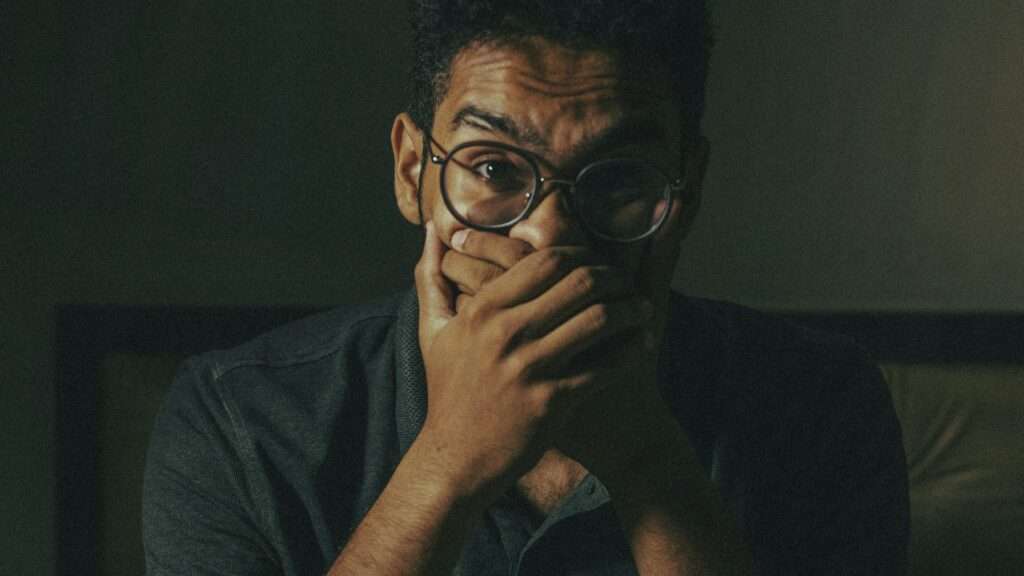
If there is one emotion that appears again and again when people talk about toxic parents, it is guilt.
Many people recognise that their relationship with a parent is hurting them, yet they still feel guilty for admitting it.
They feel guilty for setting boundaries.
They feel guilty for saying no.
They feel guilty for protecting their peace.
They feel guilty for feeling hurt in the first place.
Part of this guilt comes from the messages many of us hear growing up. We are taught to respect, honour, and appreciate the sacrifices our parents made for us. Those values are important. The problem arises when people begin believing that respect means accepting any treatment, no matter how damaging it may be.
I wish more people understood that acknowledging emotional pain does not make you ungrateful.
Recognising unhealthy behaviour does not mean you hate your parents.
Protecting your mental wellbeing does not mean you are abandoning your family.
These situations are rarely as simple as people make them seem. In many cases, love and pain exist in the same relationship. You may love your parents deeply while also recognising that certain behaviours continue hurting you. You may appreciate the good they have done while still feeling wounded by what they never addressed.
Those two truths can exist together.
One thing I know for certain is that guilt has a way of convincing people to remain in situations that are damaging their emotional health. It tells them that protecting themselves is selfish. It tells them that enduring endless criticism is a sign of loyalty. It tells them that their feelings matter less than everyone else’s comfort.
The longer people believe those messages, the harder it becomes to build healthy boundaries.
Why Many Adults Never Stop Seeking Their Parents’ Approval

Even after years of disappointment, many adults continue searching for approval from the very parents who hurt them.
At first glance, this can seem confusing. If someone constantly criticises you, dismisses your feelings, or refuses to acknowledge your efforts, why keep seeking their validation?
The answer is deeply human.
Most children grow up believing that parental love and approval are essential, which is actually how it should be. So that desire does not go out quickly when they become adults. For many people, it remains quietly present in the background of their lives. They keep hoping their parents’ mindset will change, which would also strengthen their relationship with them. They keep hoping their parents will finally understand them. They keep hoping that one day they will hear the words they have been waiting to hear for years.
Sometimes those hopes become so powerful that people organise large parts of their lives around them. Now, this will even go so far as choosing careers to impress their parents. Also, they make life decisions based on avoiding criticism. They ignore their own needs in an attempt to earn acceptance.
The heartbreaking reality is that some parents never become the people their children need them to be. Accepting that truth can feel like grieving a loss because it requires letting go of an expectation that may have existed for decades.
I know this is not easy.
There is a part of the human heart that always wants to believe things can improve. Sometimes they do. Sometimes relationships become healthier through honest conversations, personal growth, and mutual effort.
Other times, the healthiest thing a person can do is stop chasing approval that never comes and start giving themselves the acceptance they have spent years searching for elsewhere.
That shift changes everything because it moves your sense of worth out of someone else’s hands and places it back where it belongs.
How to Recognise When a Parent’s Behaviour Is Affecting Your Mental Health
Not every difficult parent is toxic, and not every disagreement is a sign of emotional harm. Families are complicated, and conflict exists in even healthy relationships.
The real question is whether the relationship consistently damages your emotional wellbeing.
If you constantly feel anxious before speaking with a parent, it may be worth paying attention to why.
If you leave conversations feeling drained, criticised, ashamed, or emotionally exhausted, that feeling should not be ignored.
If you find yourself constantly questioning your worth, hiding important parts of yourself, or living in fear of disappointing them, those experiences deserve honest reflection.
One thing I have learned is that your emotions often reveal truths that your mind tries to minimise. Many people spend years explaining away harmful behaviour because they do not want to accept what it means. They tell themselves they are overreacting. They convince themselves that things are not that bad. They compare their experiences to someone else’s and decide they have no right to feel hurt.
Meanwhile, their emotional health continues to suffer.
You do not need to compare your pain to someone else’s pain to acknowledge that something is hurting you.
Your feelings matter.
Your wellbeing matters.
Your peace matters.
And if a relationship consistently takes more from your emotional health than it gives back, that is something worth paying attention to.
Recognising that reality does not make you selfish.
It makes you honest.
Sometimes honesty is where healing begins.
Boundaries Are Not a Form of Rejection
One of the biggest struggles people face when dealing with toxic parents is learning how to set boundaries without feeling guilty about it. Many people understand that certain behaviours are hurting them, but the moment they try to protect themselves, they are overwhelmed by fear, doubt, or a sense of obligation.
This happens because boundaries are often misunderstood.
Some people see boundaries as punishment. Others see them as disrespectful. In unhealthy family relationships, a person who begins setting limits may even be accused of being selfish, ungrateful, or difficult. After hearing those messages repeatedly, it becomes easy to believe that protecting your emotional wellbeing is somehow wrong.
What life eventually teaches is that boundaries are not about controlling another person. Rather, it is all about you being in control of your affairs while putting a certain level of restriction around your relationship with someone else. I know this can feel uncomfortable at first, especially if you have spent years putting everyone else’s needs ahead of your own. There is often a period where setting boundaries feels unnatural because you are doing something you were never taught to do. Yet discomfort does not always mean you are doing something wrong. Sometimes discomfort means you are learning a healthier way of living.
Stop Carrying Responsibility for Choices That Are Not Yours

Many adults who grew up with toxic parents carry an invisible burden that follows them everywhere. They feel responsible for other people’s emotions, happiness and decisions.
This burden often begins in childhood.
When a child grows up in an environment where conflict, criticism, emotional manipulation, or instability are common, they often become hyperaware of everyone else’s moods. They learn to anticipate problems before they happen. They learn to keep the peace. They learn to fix, rescue, and manage situations that were never supposed to be their responsibility.
Over time, these behaviours become automatic.
Even as adults, they continue trying to solve problems that belong to other people.
They feel responsible when a parent is angry.
They feel responsible when a parent is disappointed.
They feel responsible when a parent refuses to change.
The truth is that carrying this kind of responsibility can become emotionally exhausting because it places you in a battle you can never truly win.
You are not responsible for another adult’s choices.
You are not responsible for healing wounds they refuse to address.
You are not responsible for managing emotions that belong to them.
I wish someone had explained this to more people earlier in life, because it would have saved them years of unnecessary guilt.
Caring about someone is not the same thing as carrying them.
Supporting someone is not the same thing as sacrificing your own wellbeing for them.
There comes a point where healthy love requires recognising where your responsibility ends and another person’s responsibility begins. That distinction may seem simple, but for many people, it becomes one of the most important lessons they ever learn.
Healing From Years of Criticism and Emotional Wounds
One of the most difficult parts of recovering from a toxic parental relationship is dealing with the damage that has accumulated over time.
Unlike a single painful event, these wounds often develop gradually. They are built through years of criticism, dismissal, emotional neglect, manipulation, or impossible expectations. Because the damage happens little by little, many people do not fully realise how deeply it has affected them until much later in life.
They may struggle with self-confidence without understanding why.
They may constantly doubt their decisions.
They may feel guilty for prioritising themselves.
They may find it difficult to believe they are worthy of love, respect, or happiness.
Looking back, I think one of the saddest things about emotional wounds is how often people mistake them for personal flaws. Sometimes, they will think there is something wrong with them, maybe that they have a bad character. But the truth is that they are responding to experiences that have shaped how they see themselves.
Healing begins when you start questioning the negative beliefs you have carried for years.
If you constantly hear a voice telling you that you are not good enough, ask yourself where that voice came from.
If you struggle to believe in your own worth, consider who taught you to doubt it.
If you find yourself apologising for your needs, your feelings, or your boundaries, take a moment to consider why those things feel uncomfortable.
The goal is not to spend your life blaming your parents for everything that has gone wrong. The goal is to understand your story clearly enough to stop repeating patterns that no longer serve you.
That understanding creates freedom because it allows you to separate your identity from the messages imposed on you.
Finding Peace Without Waiting for an Apology
One of the hardest realities many people face is accepting that they may never receive the apology they deserve.
This is difficult because apologies bring validation. They acknowledge that something happened and that the pain was real. When an apology never comes, people are often left carrying both the original wound and the frustration of feeling unseen.
I understand why this hurts.
There is a natural desire to hear someone say, “I was wrong,” especially when that person’s actions had a significant impact on your life.
Unfortunately, not everyone reaches that level of self-awareness.
Some people refuse to acknowledge the damage they caused.
Some minimise it.
Some deny it completely.
Some continue repeating the same patterns.
Waiting for accountability from someone who refuses to take responsibility can keep you emotionally trapped for years.
One thing life has taught me is that healing sometimes requires accepting what another person may never give you.
That does not mean their behaviour was acceptable.
It does not mean the pain was not real.
It simply means your ability to heal cannot remain dependent on someone else’s willingness to change.
Peace often begins when you stop waiting for a different version of the person and start focusing on your own growth instead.
That shift is not easy, but it is powerful because it places your future back into your own hands.
Summary
If you have toxic parents, I want you to understand something important.
Recognising harmful behaviour does not make you a bad son or daughter.
Setting boundaries does not make you selfish.
Protecting your mental health does not mean you have stopped caring.
Family relationships are among the most complicated we will ever experience. They contain history, emotion, love, disappointment, hope, and pain all woven together. That complexity is what makes these situations so difficult to navigate.
I may not be able to tell you exactly what your relationship with your parents should look like because every family is different. Some relationships improve through honest conversations and healthy boundaries. Others require distance to protect emotional wellbeing. Many fall somewhere in between.
What I can tell you is this.
You deserve relationships that do not constantly require you to sacrifice your peace to maintain them.
You deserve to be treated with respect.
You deserve to have your feelings acknowledged.
You deserve the freedom to build a life that is not controlled by fear, guilt, or emotional manipulation.
One thing I have learned over the years is that healing rarely begins when other people change. More often than not, it begins when we stop waiting for them to become who we need them to be and start giving ourselves the care, understanding, and respect we have been searching for elsewhere. That journey takes time, courage and patience. But the truth is, that it’s worth it.
Because your peace is worth protecting, and your future should not be defined by wounds that were never your fault to begin with.
Frequently Asked Questions
How do I know if my parents are toxic?
Parents may be toxic when their behaviour consistently harms your emotional wellbeing through criticism, manipulation, control, emotional neglect, guilt, or disrespect. Occasional mistakes are normal. Toxic behaviour usually involves harmful patterns that continue over time.
Is it wrong to set boundaries with my parents?
No. Healthy boundaries are an important part of protecting your emotional wellbeing. Boundaries are not about punishing people. They are about creating healthier ways of interacting.
Can toxic parents change?
Some parents can change if they are willing to acknowledge their behaviour and work on it. However, change is a personal choice and cannot be forced by anyone else.
Should I feel guilty for protecting my mental health?
No. Taking care of your mental health is not selfish. It is a necessary part of living a healthy and balanced life.
Can I heal even if my parents never apologise?
Yes. While an apology can be helpful, healing does not have to depend on someone else’s willingness to admit they were wrong. Many people find peace by focusing on their own growth, boundaries, and emotional recovery.