
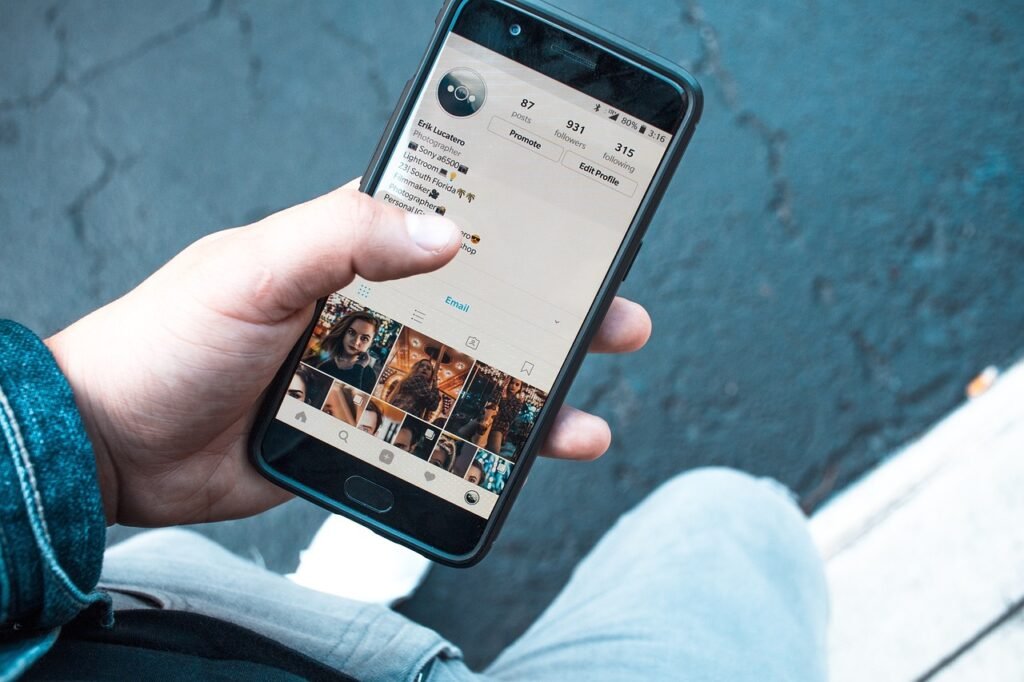

Today we’re talking about how to replace doomscrolling with creative writing. In a perfect world, you would be able to channel your negativity, your anxiety, your difficult emotions into art and satisfy yourself that way, as opposed to binging, turning to social media or turning to other stuff.
This pattern ultimately doesn’t give you what you need. It distracts you from the pain you’re feeling, but ultimately leaves you feeling more overwhelmed, overstimulated and depleted. The other option is to become an artist who chooses to face life’s discomfort and turn it into meaningful creative work that resonates with other human beings who feel some of those same things.
And this can be everything from, like, writing about the trauma of losing a loved one to the boredom of everyday life, or the specific anxiety you feel while in line at the grocery store or the DMV. Every single facet of human life can be channeled into narrative or into some form of expressive art.
When you learn to do this, you not only feel better because you channeled your negativity into something, but you also create a valuable gift for other human beings. And that’s a better outcome than turning into a dopamine zombie.
So how do you do it?
Step 1 is that you have to stop with the cheap dopamine substances.

But the reason you have to do this is not that you’re undisciplined or you’re a weak, shameful creature. Need to punish yourself for it? No, forget all that. The problem is writing, reading and art. It’s less stimulating than some of the addictive substances you’ve learned to numb yourself with.
So you have to de-stimulate yourself and get bored again. So the page, the canvas, the music appeals to you. And you can get to that state. Then you’re going to get naturally excited by making art. It will stimulate you in the way that a drug or a substance or a distracting anesthetic agent would.
So the way I’ve always viewed it is it’s a kind of bargain. It’s like, OK, you want to be an artist or creative, a storyteller, whatever. That’s great. You have to make a sacrifice. You have to sacrifice this stuff so that this becomes exciting.
Because in a world where you’re overwhelmed all the time with pleasure and distraction, you’re not going to turn to these things, and you’re going to think to yourself, maybe I’m broken. Maybe I don’t actually want to do this. No, no, no. It’s your, your chemicals are way out of whack.
They’re up here, and they’re, they’re, they’re plummeting below baseline. The neurochemistry I’m explaining right now isn’t accurate. But I hope that you understand the sentiment I’m communicating.
I hope you understand the principle here. I think you probably feel this. So if you want to become an artist, you have to desist yourself for a second. And what you’re going to do is you’re going to slowly teach yourself to channel your impulse towards binging or distraction into the work itself.
So if you haven’t yet, I’m going to invite you to get a piece of paper or a journal, something you can write on with a pen. Ideally, do this by hand, but I was hoping you could practice right now: take a recent uncomfortable experience and put it into words.
You’re going to turn this into a kind of narrative. And I recommend using creative writing no matter what your creative discipline is. Maybe you’re a musician or a visual artist, a filmmaker, A coder, a chef, whatever. That’s all great. But I want you to use writing to channel your thoughts into the piece.
So I want you to write at the very top of the page: what happened? Just write it out. Now, you might feel some shame or guilt about the experience. Yesterday, when I got home from work, I got some snacks from, you know, ate McDonald’s, played video games for four hours, watched some tutorials, and then went to bed. And, you know, that’s leaving you feeling really fulfilled today,
OK. I don’t know what it is for you, and it doesn’t have to be an experience like that. Maybe I had a difficult conversation with my significant other that didn’t go the way I wanted. I didn’t feel seen or heard.
Whatever the experience is, write it at the top of the page. And then what you’re going to do is flesh it out bit by bit and start with the physical details of the experience, so you don’t need to know exactly how you’re feeling.
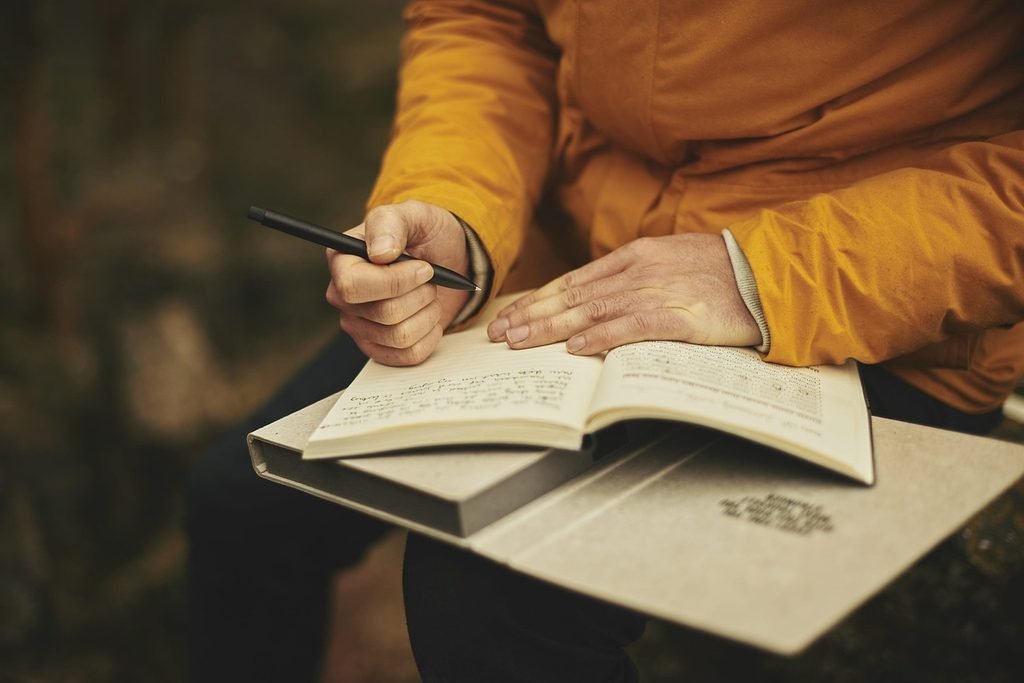
Please write out what happened in the physical realm that you can observe. Treat yourself like a journalist of your own experience: flesh it out, then notice where your brain goes. Include detail, and then your brain remembers that detail on a sensory level, on an emotional level, and then starts filling in the blanks with more stuff.
Sometimes this doesn’t have any rhyme or reason; it just bounces around. That’s OK. You’re going to practice capturing those thoughts. So by the end of the page, or by the end of 2 pages, you might have this insane collage of thoughts that don’t really drive with each other, that are just sentences all over the place. That’s OK.
You’re training your hand and brain to channel negativity, difficult emotion and uncomfortable experience onto the page. And then what you can do is you can transcribe everything that you wrote by hand onto a computer or a phone or some other digital thing, and look at what you have, and you notice this sandbox of ideas, of thoughts, of experiences.
Then you can start editing it together. You can bring certain sentences that belong together close to each other. You can delete things that are repetitive or that don’t feel right. But what I’m gonna encourage you to do when you engage in this act of creative writing is go straight into the most vivid emotion you can.
So go straight into the pain. Go straight into the discomfort, OK? Go to the thing that is loudest within your brain right now. And start writing that down. What’s cool about this is that when you get the release out, when you actually do this, you might feel less of an impulse to distract yourself because you notice why you turn to the dopamine substances or the binging pattern in general.
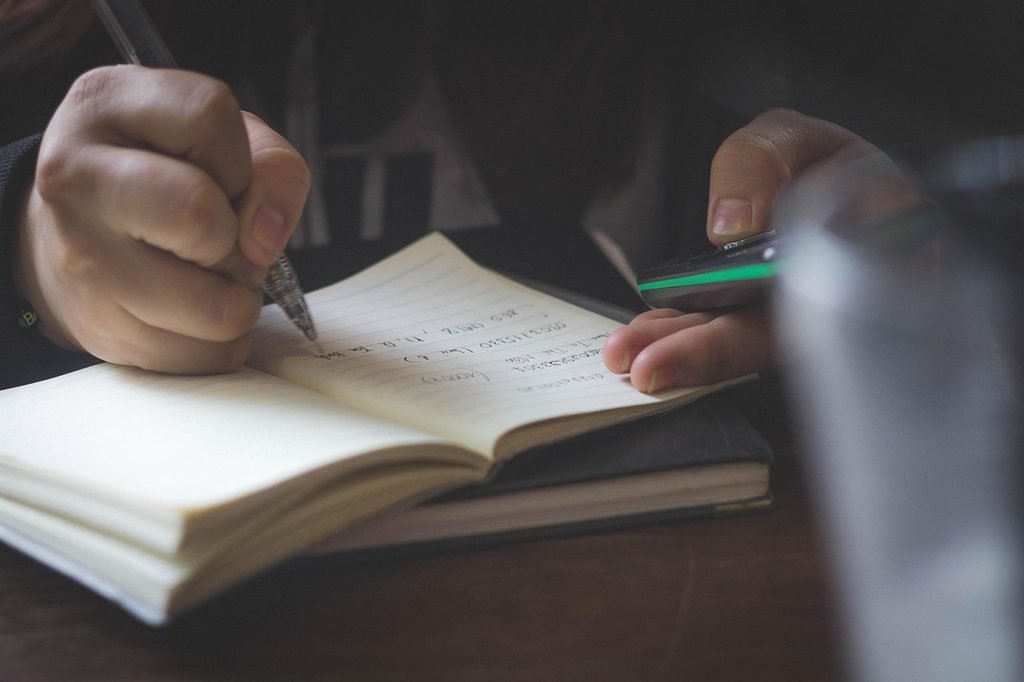
It’s to get away from the feeling, often. Or it’s to, you know, recover from being really stressed. When what really needs to happen is, you probably need to let something out, and then you need to rest. You need those two things. You need release, then rest.
Turning to the page, turning to creative work as a means of release is a lot harder than numbing yourself with dopamine substances. But it gives you what you need. And that’s why the bargain, the dopamine bargain, the bargain of being a creative in the modern world. That’s why it makes sense. That’s why it’s worthwhile. Yes, you give up the addictive substances that are easy to turn to and that do give you Momentary comfort.
But what you get instead is the actual medicine that’s going to heal you over a long enough time horizon where you know, if you keep practicing this stuff, you will get better at giving yourself what you need.
Breaking free from endless scrolling does not mean you will never feel the urge to escape into your phone again, and it does not mean you must become a perfect writer or artist overnight. It begins with learning to pay attention to what is happening inside you, finding the courage to face uncomfortable feelings, and giving yourself another way to express what you are going through.
This is only Part 1; in Part 2, we will continue exploring how you can build a healthier relationship with digital distractions, strengthen your creative habits, and turn more of your everyday experiences into meaningful work. Stay with us for Part 2, because your difficult experiences do not have to remain things you run away from; they can also become the beginning of something beautiful. I love you. Good luck.