

Healing from emotional pain is the gradual process of making peace with the wounds life leaves behind, without allowing those wounds to affect you so much that it now decides who you become. It does not mean forgetting what happened or pretending that certain experiences did not change you. It means learning to carry your story with less fear, less shame, and less bitterness, while slowly creating space for hope, joy, and peace to return into your life.
There are some kinds of pain that people recognise immediately. For instance, when someone breaks a bone, others can see the cast. When a person has a visible injury, they receive sympathy, patience, and understanding from those around them because there is clear evidence of their pain.
But guess what? Emotional pain rarely receives the same treatment.
Funny enough, the people carrying the deepest emotional wounds are often the ones who look perfectly fine from the outside. They still go to work every morning and fulfil their responsibilities. They answer messages, smile politely during conversations, attend family gatherings, and continue showing up in all the places where life demands their presence. So, because normally, people assume they are okay. Sometimes they even convince themselves that they should be okay simply because they have managed to survive whatever happened to them.
- But what many people fail to realise is that surviving and healing are not the same thing.
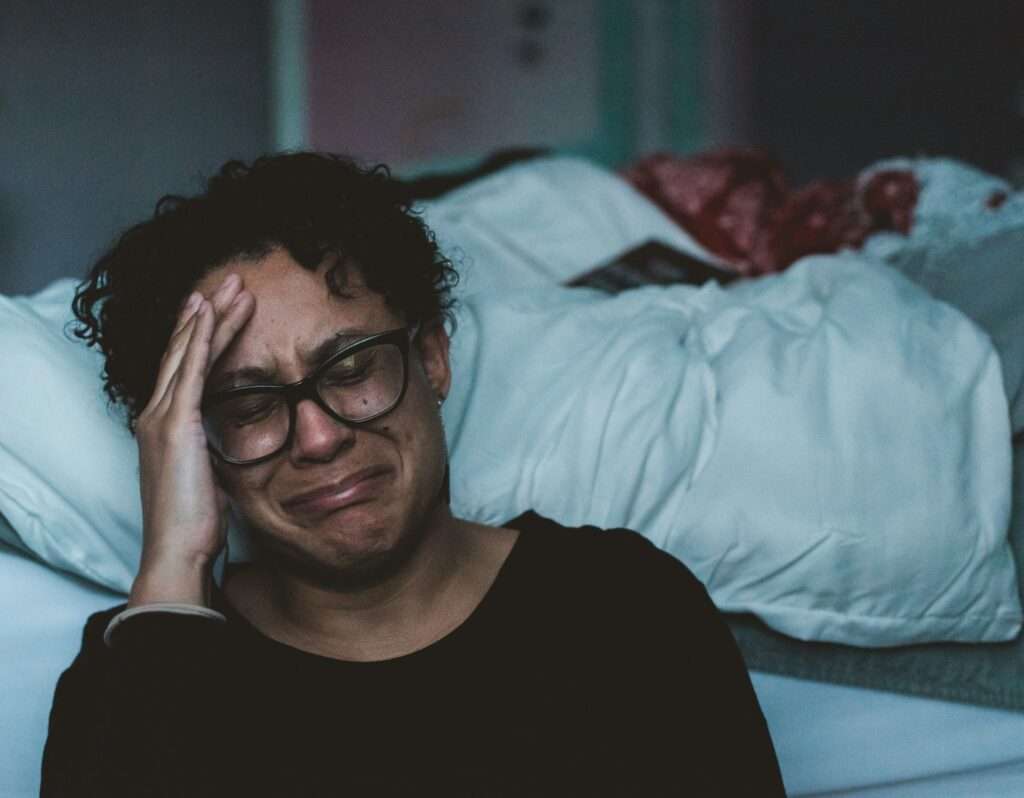
A person can survive heartbreak and still struggle to trust again years later. Someone can continue moving through life after losing a loved one while carrying grief that resurfaces in unexpected moments. A person who experienced betrayal may learn to smile again while secretly questioning whether they can ever feel emotionally safe around others. As a result, many people become experts at functioning while wounded.
They tell themselves they will deal with their emotions later, believing that once life becomes less demanding, they will finally permit themselves to process everything they have been carrying. The difficulty is that life rarely slows down long enough to offer the perfect opportunity to heal. One difficult season often leads into another, and before they realise it, months have passed. Then years pass. Eventually, they wake up one day with the uncomfortable awareness that although they moved forward, some part of them never truly recovered.
- If this sounds familiar, please understand that there is nothing unusual about it.
When you are going through the process of healing from emotional pain, do not feel like you are weak, dramatic, or unable to cope. You have to understand that it is part of being human. Also, understand that the heart remembers experiences that mattered deeply to us, and it often needs more time, care, and attention than the world encourages us to give it.
Healing requires more than waiting.
It asks for honesty.
It asks for compassion.
It asks us to acknowledge that something hurt us and that pretending otherwise has not made the pain disappear.

This can feel uncomfortable, especially for people who have built their identity around being strong. Yes, this is true because many of us were raised to believe that resilience means pushing through without complaint. And sometimes, it becomes so difficult for us to unlearn and relearn this as adults.
So, in all this, what I’m trying to explain is that emotional pain does not always announce itself loudly. It can appear quietly in everyday life. It may show up as exhaustion that even rest does not seem to fix. It can reveal itself through irritability, emotional numbness, difficulty trusting others, or the strange feeling that you no longer recognise the person you have become.
Some people cannot understand why they cry over small disappointments, and others wonder why they cannot cry at all. Some lose interest in the things they once loved, while others stay constantly busy because slowing down means facing emotions they have worked hard to avoid.
From my experience with some of my clients, I have come to realise that what makes emotional pain particularly difficult is that it often comes without witnesses. Not everyone sees the private disappointments that changed your confidence. Not everyone understands the heartbreak that reshaped the way you approach love. Yes, because when these people work in the real-life affairs office, you could hardly notice what they are going through just by merely looking at them.
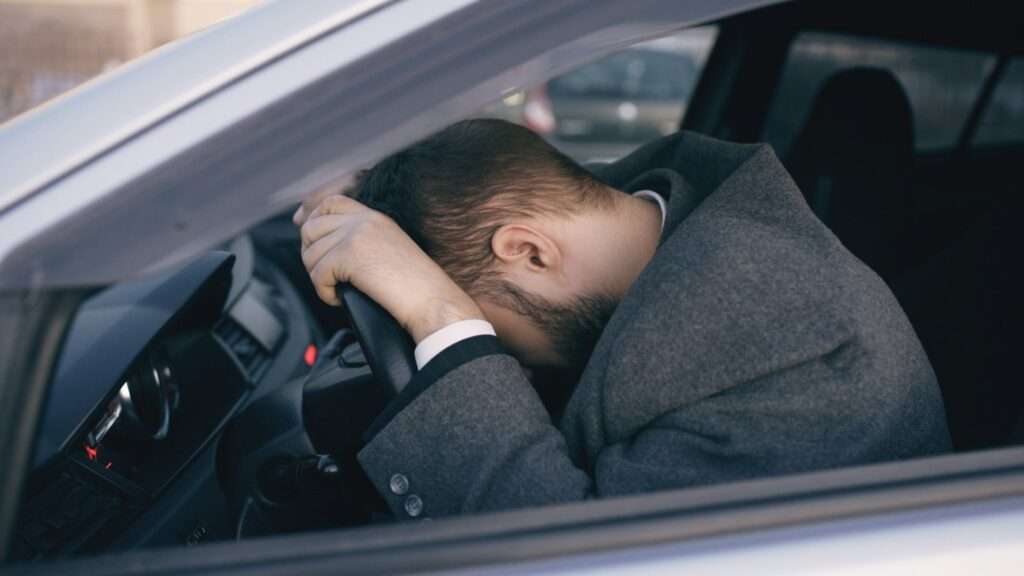
Other people may never know how much courage it took to keep functioning after your world changed. Because of this invisibility, people frequently minimise their own experiences. They convince themselves that what happened was not serious enough to affect them so deeply. They compare their pain to someone else’s suffering and conclude that they have no right to struggle.
- Pain does not work that way. The heart does not measure grief through comparison.
An experience that wounded you deserves attention simply because it wounded you. You do not have to justify your pain by proving that it was severe enough. You do not have to earn compassion by reaching a breaking point first. Your emotional experiences matter because they happened to you, and acknowledging that truth is often one of the first steps toward healing.
Another misconception that causes many people to lose hope during the healing process is the belief that healing means returning to the exact version of themselves that existed before life became difficult. They miss the person they used to be and desperately want to go back to a time when trusting others felt easier, joy came more naturally, and life seemed less complicated.
- The reality is often more complex.
- Pain changes people.
- Loss changes people.
- Disappointment changes people.
The goal of healing is not to erase every trace of what happened or pretend that painful experiences never touched your life. Like I said in the introduction of this article, Healing is about learning to move forward without letting those experiences define your entire identity. It is discovering that although hardship may have changed you, it does not have the final say over who you become.

- Perhaps this is the truth many hurting people need to hear today.
Healing from emotional pain is not about becoming untouched by life.
It is about learning that even after life has hurt you, your capacity to love, trust, hope, laugh, dream, and begin again still exists.
That capacity may feel buried beneath disappointment, grief, anger, or exhaustion right now. You may wonder if you will ever feel like yourself again. But healing has a quiet way of reminding people that brokenness is not the end of their story.
And perhaps most importantly, healing begins when you stop asking yourself why you have not healed faster and start asking what your heart has been trying to tell you all along.
Because beneath the pain, beneath the exhaustion, and beneath the fear that you may never feel whole again, there is still a part of you quietly hoping for better days.
That part of you has not disappeared. It has simply been waiting to be cared for.
Why Rushing Your Healing Often Makes the Pain Last Longer

One of the hardest things about healing from emotional pain is learning to let go of the timeline you imagined for yourself. I have observed that most people do not mind the idea of healing. What they struggle with is the length of time it takes.
There is often an unspoken expectation that after a certain amount of time, you should be better. You tell yourself that by now, you should have stopped thinking about what happened. You believe you should have moved on from the heartbreak, forgiven the betrayal, accepted the loss, or regained the confidence that disappeared after disappointment found its way into your life. When that does not happen, frustration begins to replace compassion.
You start questioning yourself. You wonder why you still feel emotional when certain memories come to mind. You become impatient with your own sadness and embarrassed that something that happened months or even years ago can still affect you so deeply.
- The truth is that healing has never been a race.
Human beings are not machines programmed to recover according to a schedule. The heart moves at its own pace because emotional wounds are often tied to love, trust, identity, safety, and hope. When these things are shaken, it takes time to rebuild the parts of ourselves that once felt secure.
Sometimes, it feels like healing imposes a very difficult task on us. It asks us to be patient with our own humanity. This can be a difficult task for someone going through a tough time. It invites us to stop treating our emotions as problems that need immediate solutions and to begin seeing them as messages that should be given proper attention and understood. And that does not mean you are moving backwards; it means you are human.
Healing is rarely easy or a straight road. What I mean is that it is often messy, uneven, and can be deeply personal. So, the important thing is not how quickly you arrive at peace. The important thing is that you continue showing up for yourself along the way.
Learning to Stop Blaming Yourself for What Happened

Emotional pain has a way of changing the conversations people have with themselves.
Instead of offering compassion, many people become their own harshest critics. They replay situations repeatedly in their minds, searching for the moment they should have acted differently. They wonder if they ignored warning signs, trusted the wrong people, stayed too long, left too soon, or somehow caused the pain they now carry. But life is rarely that simple.
- People disappoint each other.
- Loss arrives without permission.
- Circumstances change in ways nobody could have predicted.
On the other hand, another part of healing involves accepting that being human means making imperfect decisions. It means understanding that trusting someone who hurt you does not make you foolish. Loving deeply does not make you weak. Hoping for the best in people does not mean you deserve to be betrayed when they fail to honour that trust. So you can learn from painful experiences without turning them into evidence against your worth.
There is wisdom in reflecting on what happened and recognising where different choices may help you in the future. However, reflection becomes harmful when it transforms into relentless self-punishment.
Healing asks you to replace judgment with grace.
It encourages you to acknowledge mistakes without allowing them to define your identity. It reminds you that your value as a person has never depended on getting everything right.
Rebuilding Trust After Your Heart Has Been Hurt
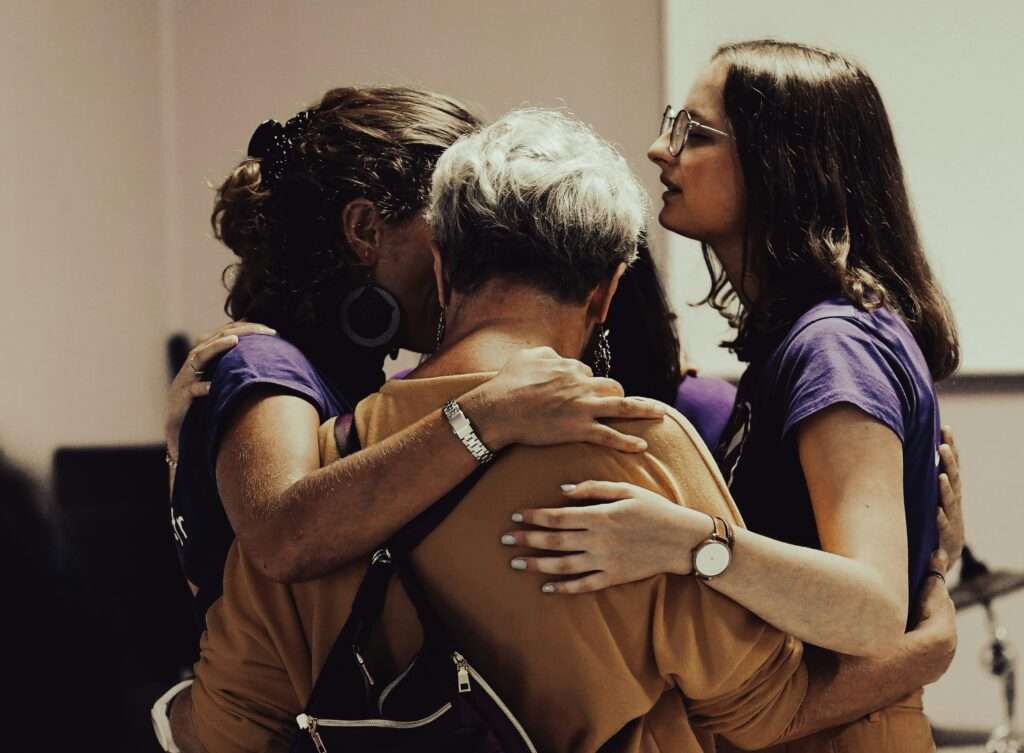
Few things are more difficult than learning how to trust again after emotional pain.
Pain changes the way people see the world. Someone who has experienced betrayal may begin questioning the intentions of everyone around them. A person who has been abandoned can struggle to believe that others will stay. Also, repeated disappointment may create the expectation that happiness is temporary and that heartbreak is only a matter of time.
But the truth is that these responses are understandable because the heart naturally tries to protect itself from future harm.
The challenge is that protection can slowly become isolation. Walls built to keep pain out can also keep love, friendship, and connection from coming in, because trust extends beyond relationships with other people.
Many individuals discover that emotional pain damaged the trust they once had in themselves. They question their judgment and doubt their ability to make good decisions. They wonder how they missed warning signs or why they allowed certain situations to continue for as long as they did.
Healing includes rebuilding that relationship with yourself.
It also means learning to believe that even if life surprises you again, you have the strength to face it. It means trusting that you can set boundaries, ask difficult questions, recognise red flags, and make choices that honour your wellbeing.
You do not have to become fearless to trust again.
You have to believe that your heart can withstand what life brings while remaining open to the possibility of good things.
Finding Joy Again Without Feeling Guilty

There comes a point in many healing journeys when laughter begins to return, and surprisingly, that can feel uncomfortable.
People who have carried emotional pain for a long time sometimes feel guilty when they notice themselves enjoying life again. They wonder whether smiling means they have forgotten what happened. They question whether moving forward somehow dishonours the people they loved, the dreams they lost, or the pain they endured.
The first genuine laugh after a difficult season can feel unfamiliar. So can moments of peace. Yet these experiences are not signs that your suffering was insignificant.
They are reminders that pain never had the authority to take everything from you.
You do not have to earn joy by proving that you suffered enough.
You deserve moments of happiness simply because you are human.
What Healing Can Look Like in Everyday Life
Healing is not always dramatic, like I said in my previous article.
It does not always involve grand breakthroughs or life-changing revelations.
Sometimes healing looks like getting out of bed on a difficult morning and choosing to care for yourself anyway.
It looks like speaking kindly to yourself after years of criticism.
It is found in setting boundaries where you once abandoned your needs to keep everyone else comfortable.
Healing can be choosing rest without apologising for it. It can be as simple as reaching out to a trusted friend and admitting that you are not okay. It can mean seeking professional support because you recognise that carrying everything alone is no longer sustainable.
Summary
If you are healing from emotional pain, I hope you understand that there is no shame in the fact that you are still hurting.
Life can be beautiful, but it can also be deeply painful. Some experiences leave marks on the heart in ways few people fully understand. Sometimes the strongest thing a person can do is admit that what happened affected them more than they wanted to believe.
- You are not weak because you need time.
- You are not broken because certain memories still hurt.
- You are not failing because healing has taken longer than you expected.
At Real Life Affair, we believe that healing is not about pretending that pain never touched your life. It is about discovering that even after disappointment, heartbreak, betrayal, grief, and loss, there is still life waiting for you on the other side of survival.
The pain you carry today may be part of your story, but it does not have to become the whole story.
- There is still room for laughter.
- There is still room for connection.
- There is still room for dreams you have not yet dreamed.
- And perhaps that is what healing truly is.
- Not forgetting what happened.
- Not returning to who you used to be.
But discovering that after everything life has taken from you, it has not taken your ability to begin again.
Frequently Asked Questions About Healing From Emotional Pain
How long does it take to achieve emotional healing?
One thing you must know is that there is no fixed timeline for emotional healing or any other type of healing. Emotional recovery depends on many factors, including the nature of the experience, the support available to you, and the space you allow yourself to process what happened.
Can emotional pain ever fully go away?
Many people find that the intensity of emotional pain lessens with time, support, and self-compassion. While some experiences remain meaningful parts of our story, they do not have to control our present or future.
Is it normal to still hurt years later?
Yes. Some emotional wounds take longer to heal, especially when they involve grief, betrayal, trauma, or unresolved experiences. That the hurting aspect of it persists for a longer period of time does not mean you are weak or failing.
Should I seek professional help?
If you are experiencing emotional pain that affects your daily life, for example, your relationships, work, or your overall wellbeing, at this point, the best thing you should do is to speak with a mental health professional, who can provide valuable guidance and support to you.