


Morning spiritual practices are simple activities you intentionally make part of your morning to strengthen your relationship with God, prepare your heart for the day, and become more conscious of your spiritual life. They can include prayer, Bible reading, meditation, gratitude, and quiet reflection. But beyond knowing what these activities are, what matters is learning to practise them consistently and letting them shape how you live.
Many of us start our days negatively without even noticing how much it affects our minds. We give our attention to messages, notifications, and other people’s activities before taking a moment to think about our own spiritual lives.
But what if you started your morning differently? What if, before getting involved in everything happening around you, you gave yourself a little time to connect with God?
You don’t need an expensive prayer room, a special spiritual environment, or several hours of free time. You can begin with a few simple practices, even if you have only 15 or 20 minutes available. Here are seven ways to make that time meaningful.
1. Begin Your Morning With a Simple Prayer
Before reaching for your phone or getting caught up in the activities of the day, take a moment to pray. You don’t have to prepare a long prayer or search for complicated words. Just speak to God honestly about how you feel and what is happening in your life.
You could start by saying something as simple as:
“God, thank You for allowing me to see another morning. Please guide me today. Help me make the right decisions, give me wisdom when I face difficult situations, and teach me to treat people with patience and kindness.”
After praying, don’t rush away immediately. Sit quietly for another minute or two. Think about what you have said and allow yourself to become settled before starting your day.
If you are not used to praying in the morning, start with five minutes. What matters is that you make it a genuine part of your day rather than something you do simply because you feel you have to.
2. Read a Few Bible Verses and Think About Their Meaning
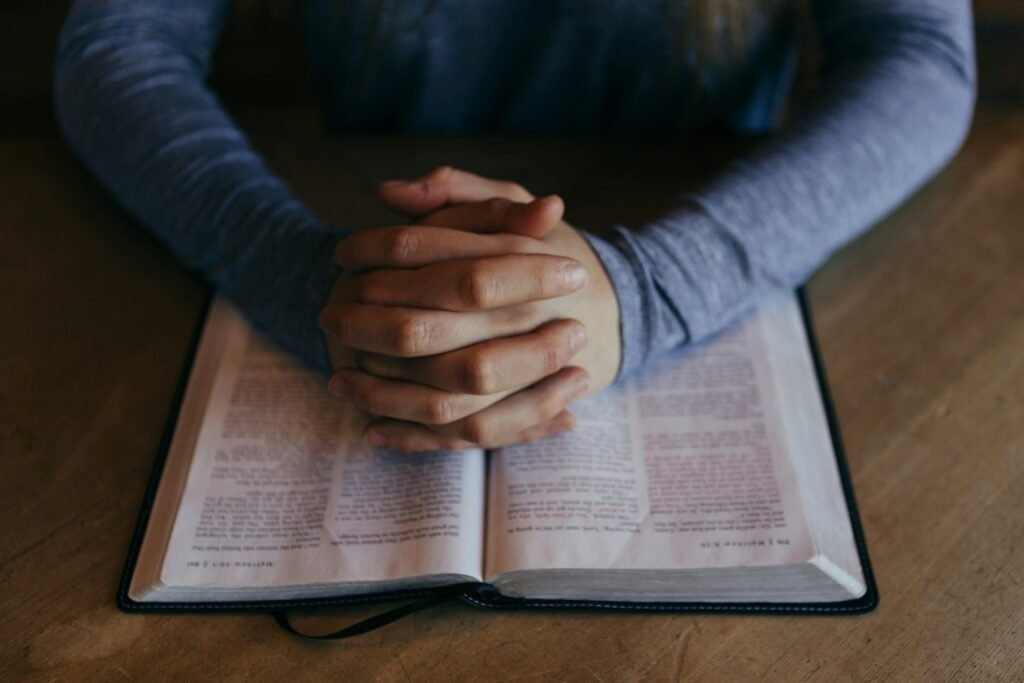
You don’t need to rush through several chapters of the Bible every morning just to feel that you are growing spiritually. Sometimes, it’s better to read a few verses, take your time to understand what they are saying, and think about how they relate to your own life. Don’t just read because you want to finish a particular number of chapters.
Ask yourself what God is teaching you through those words and how you can put that lesson into practice. Even if you read only a few verses, take something meaningful from them and carry it with you throughout the day.
For example, you could read Proverbs 3:5–6, which encourages us to trust ony in the Lord rather than depending entirely on our own understanding.
After reading, ask yourself three simple questions: What is this passage teaching me? What does it say about my relationship with God? How can I apply it to something I may face today?
For example, if you read a passage about patience, think about the people you are likely to meet that day. Is there someone who easily gets on your nerves? Is there a situation where you know you might lose your temper? Think about how you can handle those moments differently and put what you’ve just read into practice.
This is how Bible reading becomes more than a morning activity. It begins to influence your decisions.
3. Spend a Few Minutes in Quiet Meditation
One thing that can make your spiritual life difficult is the constant noise around you. Even when you are alone, your mind may be occupied with unfinished tasks, financial worries, family issues, and conversations you keep replaying.
This is why morning meditation can be helpful.
After your prayer or Bible reading, sit somewhere comfortable, put your phone aside, and spend about five minutes quietly reflecting on what you have read or prayed about. You can think about a particular Bible verse, consider an area of your life where you need God’s guidance, or simply sit quietly without allowing every passing thought to pull your attention away.
You don’t have to force yourself to feel something extraordinary. The purpose is to create a little space for reflection and become more conscious of your thoughts and relationship with God.
If your mind keeps wandering, don’t become frustrated. Gently bring your attention back to what you are reflecting on. With practice, you may find it easier to settle your thoughts.
4. Thank God for the Things You Sometimes Overlook
When life becomes difficult, it is easy to spend the entire day thinking about what is missing. You may be worried about money, waiting for an opportunity, dealing with family problems, or wondering when certain things will finally work out.
But even while dealing with these challenges, there may be things worth appreciating.
Think about waking up, having another opportunity to make things right, having someone who cares about you, or being able to take another step towards a goal you haven’t achieved yet.
Each morning, mention three things you are grateful for. You can say them during prayer or write them in a small notebook.
And don’t feel that you must always write something extraordinary. Sometimes, being grateful for your health, your family, the food you have, or simply the opportunity to try again is enough.
Gratitude does not mean pretending that your problems don’t exist. It simply reminds you that your problems are not the only things happening in your life.
If you have been struggling to appreciate yourself or find peace with where you are in life, take some time to explore more about developing gratitude and a healthier perspective on your circumstances.
5. Ask God to Guide Your Decisions for the Day

Many people pray in the morning, but their prayers are often limited to asking God for protection, blessings, and success. These are important things to pray about, but you can also ask for guidance concerning the actual decisions you will make throughout the day.
For instance, you may be going into a difficult meeting, dealing with a challenging customer, making a financial decision, or having a conversation with someone who has offended you.
Instead of only asking God to make everything work out, ask Him to help you handle those situations wisely.
Pray for patience when you are tempted to react angrily. Ask for wisdom when you are unsure what decision to make. Ask for the strength to do what is right, even when the easier option is tempting.
You may not receive an immediate answer to every question, but beginning your day with the intention to seek God’s guidance can help you become more thoughtful about your choices.
6. Decide What Kind of Person You Want to Be Today
Your spiritual life should not end when you finish praying or close your Bible. It should also influence how you behave when you step outside and begin interacting with people.
Before starting your daily activities, think about the kind of person you want to be today.
Maybe you need to be more patient with your family. Perhaps you have been speaking harshly to people because of stress, or you have been avoiding someone you need to have an honest conversation with.
Choose one area where you want to do better and make a conscious effort to work on it.
For example, you could tell yourself, “Today, I will be more careful with my words. I will not allow anger to make me say things I don’t mean.”
7. Carry Something From Your Morning Practice Into the Rest of Your Day
One mistake you can make with a spiritual morning routine is treating it as something you complete and forget about once the day begins.
You pray, read your Bible, reflect for a few minutes, and then return to your usual habits without thinking about anything you have just learned.
Try doing something different.
Before leaving your room or starting work, choose one thought, Bible verse, or lesson from your morning practice that you want to remember throughout the day.
If you reflected on patience, remember it when someone annoys you. If you prayed for wisdom, think about that prayer before making an important decision. If you read about kindness, look for an opportunity to show it to someone.
You can even write a short reminder on your phone or in a notebook and look at it during the day.
The idea is to make your morning spiritual practices part of how you actually live, not just something you do before breakfast.
If you are also trying to become more intentional about your thoughts, actions, and daily decisions, you may find it helpful to explore more about developing self-awareness and living with greater purpose.
How to Start Without Making Your Morning Routine Too Complicated
You don’t need to start practising all seven things for 30 minutes each. If you are just beginning, try this simple 20-minute routine:
| Activity | Time |
| Morning prayer | 5 minutes |
| Bible reading | 5 minutes |
| Quiet meditation | 3 minutes |
| Gratitude | 2 minutes |
| Prayer for daily guidance | 3 minutes |
| Daily intention | 2 minutes |
| Total | 20 minutes |
You can adjust the time to fit your daily schedule. If you only have ten minutes to spare, that’s fine. And if you have more time, you can sit a little longer to read, pray, and reflect.
What matters is finding that routine that works for you and sticking with it as much as you can. Don’t make spending time with God feel like another responsibility you are struggling to keep up with. If you miss a morning, don’t beat yourself up over it. Just pick it up again the next day.
Conclusion
Building a deeper spiritual connection with God doesn’t have to begin with something complicated. Sometimes, it starts with waking up a little earlier, putting your phone aside, saying a sincere prayer, and taking a few minutes to think about your life and the direction you are going.
You may not notice a dramatic difference after one morning, and that is perfectly fine. What matters is that you keep making room for God in your everyday life, not only when things become difficult or when you desperately need something.
Let your morning prayers influence your decisions. Let what you read in the Bible guide the way you treat people, and let the things you reflect on help you become more intentional about how you live.
Little by little, these practices can become more than a routine. They can become a meaningful part of your relationship with God.
A Book to Explore
If you have been thinking about your spiritual identity, purpose, and the deeper meaning of your journey, THE CHOSEN ONE is worth exploring.
It offers an opportunity to reflect more deeply on these questions and is available at a special discounted rate from the Real Life Affair Shop.