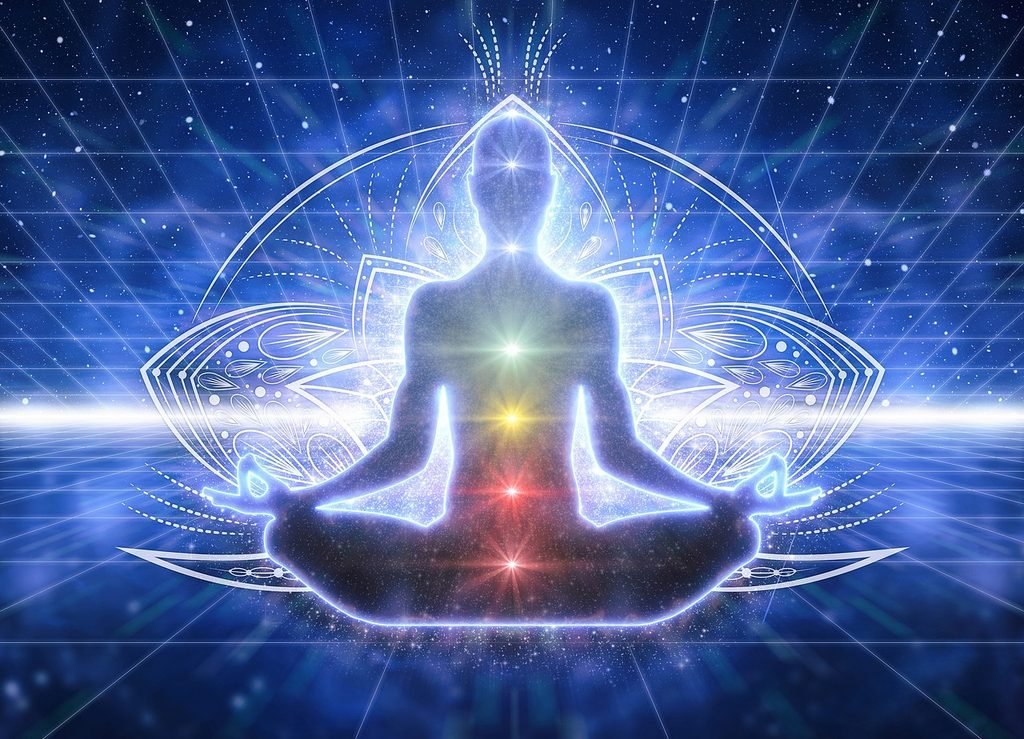

Spiritual energy is a concept found in different spiritual, religious and cultural traditions. It is commonly used to describe the invisible qualities, feelings, and influences people associate with their inner lives, personal experiences, relationships, and connection with something greater than themselves.
Have you ever walked into a room and immediately felt uncomfortable, even though nobody had said anything unpleasant? Or perhaps you have spent time with someone whose presence made you feel encouraged, peaceful and motivated.
You may have heard people describe such experiences by saying, “That person has positive energy,” or “I don’t like the energy in that place.”
But what does spiritual energy actually mean? Are there different types of spiritual energy, and how do they shape how people understand their everyday experiences?
The subject is more interesting than many people realise because spiritual energy is not interpreted in just one way. Different traditions use different language to explain ideas such as life force, consciousness, emotional states, spiritual connection and personal vibration.
In this article, we explore seven commonly discussed types of spiritual energy, what they mean, and how understanding them can help you become more aware of your thoughts, emotions, and environment.
What Does Spiritual Energy Really Mean?
Spiritual energy generally refers to the idea that human beings have an inner dimension that goes beyond their physical existence.
Depending on the belief system, it may be understood as life force, spiritual vitality, consciousness, divine connection or the quality of a person’s inner state.
For example, somebody who feels emotionally balanced, hopeful and connected to their beliefs may describe themselves as having positive spiritual energy. Another person who feels overwhelmed, discouraged or disconnected may describe their experience as low energy.
These expressions are useful ways of communicating personal experiences, but they should not be confused with scientific measurements of an invisible force.
Understanding this distinction allows you to explore spiritual energy without automatically interpreting every emotion, uncomfortable experience or difficult relationship as evidence of a supernatural influence.
With that in mind, let’s examine seven types of spiritual energy and their meanings.
1. Positive Energy: The Energy of Hope, Peace and Encouragement

Positive energy is one of the most familiar expressions people use when discussing spiritual energy.
It describes an uplifting state associated with hope, gratitude, encouragement, kindness and emotional well-being.
Think about someone who remains considerate even when life becomes difficult. They encourage people, appreciate small achievements, and avoid turning every situation into a conflict.
Being around such a person can make you feel more comfortable and motivated.
This is what many people mean when they say somebody has positive energy.
Positive energy does not mean pretending that everything is perfect or forcing yourself to smile when you are struggling. You can experience disappointment, sadness and frustration while still maintaining a hopeful outlook.
You develop this quality through everyday habits such as practising gratitude, treating people with kindness, maintaining healthy relationships and learning to manage difficult emotions.
You can also become more conscious of the conversations and environments you regularly expose yourself to.
At Real Life Affair, we believe that positive personal transformation begins with the decisions you make every day.
2. Emotional Energy: Understanding What You Carry Within
Emotional energy refers to the feelings and emotional experiences that influence how you think, behave and interact with other people.
Consider how differently you approach life when you are happy compared with when you are worried, disappointed or angry.
When you feel encouraged, you may become more confident about pursuing your goals. When you are emotionally exhausted, even simple responsibilities can feel overwhelming.
This is why understanding your emotional state is an important part of energy awareness.
Sometimes, you may describe yourself as having low spiritual energy when what you are actually experiencing is emotional exhaustion, stress or unresolved disappointment.
Instead of immediately assuming that something spiritual is happening, take time to examine what is going on in your life.
Are you getting enough rest? Have you been dealing with too many responsibilities? Is there a relationship that has been causing you unnecessary distress?
Learning to recognise your emotions helps you understand what needs attention.
If you have been carrying painful experiences for a long time, our ebook The Cycle Ends With Me: My Children Will Not Go Through What I Went Through explores the importance of recognising unhealthy patterns and making conscious decisions about the future.
Sometimes, improving your inner state begins with acknowledging what you have been carrying instead of pretending that it does not exist.
3. Mental Energy: The Power of Your Thoughts and Attention
Mental energy describes the attention, concentration and thinking capacity you use to process information, solve problems and make decisions.
Although people sometimes discuss mental energy as part of spiritual development, it is also closely connected to everyday psychological experiences.
Imagine waking up every morning and immediately filling your mind with financial worries, arguments on social media, negative comparisons and problems you cannot solve at that moment.
By the afternoon, you may feel mentally exhausted.
Now imagine beginning your morning with a few minutes of reflection, organising your priorities and focusing on the things you can actually control.
The difference in your experience can be significant.
Developing healthier mental habits can help you become more conscious of what occupies your attention.
Read meaningful books, reduce unnecessary distractions, avoid constantly comparing your life with other people’s achievements and make time for activities that stimulate your mind.
If fear and overthinking have been preventing you from making important decisions, our ebook What Will People Think? is a relevant resource to explore.
Remember, your thoughts deserve attention because the way you interpret situations can influence the decisions you make and the direction you take.
4. Spiritual Energy: The Sense of Connection With Something Greater
Spiritual energy, in a more specific sense, describes the inner connection people associate with God, a higher power, their spiritual beliefs or a deeper understanding of existence.
For someone who believes in God, this connection may develop through prayer, worship, gratitude and studying religious teachings.
For another person, it may involve meditation, reflection, nature or exploring philosophical questions about life.
The experience can be deeply personal.
You may notice that prayer gives you a sense of comfort during difficult periods, or that spending time reflecting on your beliefs helps you approach life’s challenges with greater patience.
Developing spiritual connection does not mean you must experience extraordinary events or constantly feel something unusual.
Sometimes, it is simply about becoming more intentional about your beliefs and allowing them to influence how you treat yourself and others.
You can strengthen this connection by making time for prayer, studying teachings that matter to you, and practising the values you believe in.
The important thing is to approach spirituality with understanding rather than fear or pressure.
5. Intuitive Energy: Becoming More Aware of Your Inner Signals
Have you ever met someone and felt you needed more time to get to know them before growing close? Or considered an opportunity and sensed there was more you needed to look into?
People often describe experiences like these as intuition.
Your intuition may draw on things you have noticed, previous experiences, subtle environmental signals and information you have not yet consciously examined.
This is why learning to pay attention to your instincts can be useful.
However, intuition should not replace evidence or careful thinking. Sometimes, fear, prejudice and anxiety can feel like strong inner warnings.
If something does not feel right, investigate it. Ask questions, examine the facts and give yourself enough time to make an informed decision.
Developing self-awareness means learning to understand your inner signals without automatically assuming that every feeling is a spiritual message.
6. Life Force Energy: The Vitality Associated With Being Alive
Many spiritual and philosophical traditions describe a vital force associated with life.
Different cultures use different names and explanations for this idea. Examples include prana in Indian traditions and qi in Chinese traditions.
Although these concepts are not identical, they are often associated with vitality, breath, movement and the relationship between the body and its environment.
In everyday discussions, people may use life force energy to describe how physically and mentally alive they feel.
Consider the difference between waking up after a restful night and waking up after several nights of poor sleep.
Your physical condition can influence your motivation, concentration and emotional well-being.
This is why caring for your body is an important part of maintaining a balanced life.
Get enough sleep, eat nourishing food, remain physically active and make time to rest when necessary.
You can also explore breathing exercises and gentle meditation to become more aware of your body.
Spiritual development should never require you to neglect your physical health.
7. Universal Energy: Understanding Your Connection With the Wider World

Universal energy is an idea found in different spiritual and philosophical discussions. It generally refers to the belief that everything is connected through a greater source, underlying force or universal order.
Some people explain this through religious beliefs in divine creation, while others turn to philosophical ideas about interconnectedness and the bond between humanity and nature.
For example, consider how your actions influence the people around you.
A kind conversation can encourage someone who is struggling. A careless statement can damage a relationship. A decision you make today can influence your family and community for years.
These experiences remind us that our lives do not exist in isolation.
You are part of a wider human environment, and your choices can affect people beyond yourself.
Developing this awareness can encourage compassion, responsibility, gratitude and a greater appreciation of the natural world.
Rather than treating universal energy as something you must physically acquire, consider using the idea as an invitation to become more conscious of your place in the world.
What Is Spiritual Vibration and How Does It Relate to Spiritual Energy?
You have probably heard people say that you should raise your vibration, maintain a high vibration or avoid low-vibration environments.
Spiritual vibration is a term used in various spiritual communities to describe a person’s perceived state of consciousness, emotional condition, or spiritual outlook.
For example, someone who is hopeful, grateful and emotionally balanced may be described as having a high vibration, while someone experiencing prolonged anger or discouragement may be described as having a low vibration.
These are spiritual interpretations, not scientifically established measurements of human energy frequencies.
The practical lesson is that your emotional state, thinking patterns and everyday habits matter.
If you want to develop a healthier inner state, focus on habits that support your well-being rather than worrying about achieving an invisible frequency.
How Can You Become More Conscious of Your Spiritual Energy?
Start by paying attention to how you feel in different situations and what influences your emotional state.
Make time for prayer, reflection or meditation if these practices align with your beliefs. Develop healthy relationships, set boundaries, and avoid letting unnecessary conflict dominate your everyday life.
Summary: Become Conscious of the Energy You Bring Into Your Life
Understanding the different types of spiritual energy can encourage you to pay closer attention to your thoughts, emotions, relationships, beliefs and everyday decisions.
Whether you are exploring positive energy, emotional energy, spiritual connection, intuition or life force traditions, the most important thing is to approach the subject with an open mind and a willingness to understand yourself.
You do not have to become a spiritual expert before you start making meaningful changes.
Begin with the way you speak to yourself. Pay attention to the people around you. Develop healthier habits, make time for reflection and learn to recognise when you need rest, support or a change in direction.
At Real Life Affair, we believe that understanding yourself is an important part of building a more meaningful life.
The energy you bring to your everyday experiences begins with the thoughts you entertain, the choices you make, and how you choose to treat yourself and others.