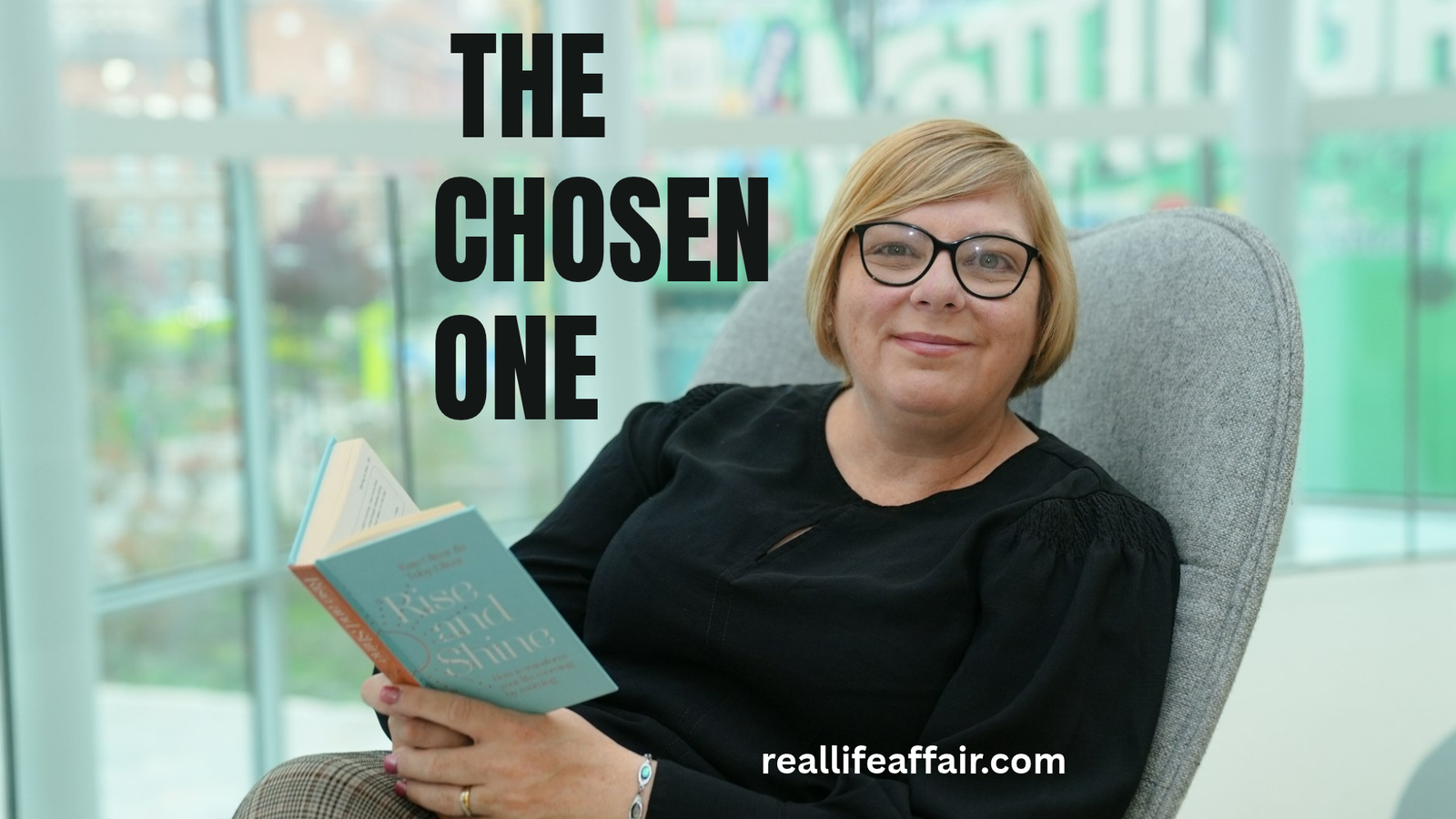


Have you ever been in a room full of people, laughing, talking, and participating in conversations, yet somehow felt like you didn’t belong there? You are physically present, but something about the environment makes you feel disconnected. You may even enjoy the company of the people around you, but deep down, you still feel as though you are looking at life from a different angle.
What matters is understanding what you are experiencing instead of rushing to give it a spiritual explanation.
Let’s look at seven reasons chosen ones sometimes feel like outsiders and what you can learn from each experience.
1. Your Interests and Priorities May Be Different From Those Around You
One reason you may feel like an outsider is that the things that interest you are not necessarily the things that interest the people around you.
Think about it. Perhaps your friends enjoy spending most of their free time discussing entertainment, social events, and other everyday matters, while you find yourself thinking about personal development, business ideas, spirituality, or the direction your life is taking.
There is nothing wrong with either group. People simply have different interests.
The problem begins when you feel pressured to pretend you enjoy things that do not interest you just to remain accepted. You may participate in conversations, laugh at jokes, and go along with activities, even when you would rather spend your time doing something else.
After a while, this can make you feel disconnected.
You begin asking yourself why you cannot seem to connect with people the way others do. But perhaps the issue is not that something is wrong with you. Perhaps you have not yet found enough people who share your interests and values.
You don’t have to force yourself into every environment. It is perfectly reasonable to look for friendships and communities where you can express yourself comfortably.
If you have been wondering why you feel different from people around you, The Hidden Meaning Behind Feeling Different From Everyone Else explores this experience and the importance of understanding your individuality.
2. You May Be Going Through a Period of Personal Growth

Sometimes, feeling like an outsider has less to do with other people and more to do with the changes happening within you.
Imagine someone who has spent years living according to other people’s expectations. They attend certain events because their friends expect them to. They make decisions because their family approves of them. They follow a particular lifestyle because that is what everybody around them considers normal.
Then something changes.
They begin questioning some of their habits, become more intentional about their decisions, and develop interests that were not previously important to them. Naturally, some relationships and social environments may begin to feel different.
This can be uncomfortable because personal growth sometimes changes what you want from life.
You may no longer enjoy certain conversations. You may become more careful about how you spend your time. You may start thinking seriously about your future instead of simply following what everybody else is doing.
But don’t misunderstand this change. Growing as a person does not mean you have to look down on people who are living differently. Everyone develops at their own pace, and people have different responsibilities and priorities.
The important thing is to give yourself room to grow without becoming unnecessarily judgmental.
3. Past Experiences May Have Made It Difficult for You to Feel Accepted
Not every outsider feeling comes from spirituality or personal growth. Sometimes, it comes from experiences that have shaped how you relate to people.
You may have experienced rejection from friends, classmates, or people you trusted.
So, when these experiences happen repeatedly, they can influence how you approach relationships later in life. You may become cautious about expressing yourself because you are afraid of being judged. You may avoid certain conversations because you expect people to misunderstand you.
Even when you meet people who genuinely want to connect with you, it can take time before you feel comfortable enough to trust them.
This is worth paying attention to because sometimes the problem is not that you cannot find people who accept you. It may be that previous experiences have made it difficult for you to recognise or receive acceptance.
If you have been struggling with this kind of emotional distance, chosen Ones & Loneliness: 7 Reasons You May Feel Isolated is another useful discussion. It explores the experience of feeling unheard and how misunderstandings can affect your sense of belonging.
And if fear of rejection has made you uncomfortable expressing yourself or trying new things, FEAR OF FAILURE may help you reflect on some of the thoughts that hold you back. It is available at a special discounted rate from the Real Life Affair Shop.
4. You May Be Looking for Deeper Connections
There is a difference between having people around you and having people you can genuinely connect with.
You can have hundreds of contacts on your phone and still struggle to find someone you can talk to about the things that matter most to you. You can attend family gatherings, social events, and celebrations while feeling that nobody really understands what is happening inside your mind.
Sometimes, what you need is not a larger social circle. You need more meaningful connections.
Perhaps you want friendships where people can discuss their ambitions, challenges, beliefs, fears, and personal experiences without feeling embarrassed. Maybe you want relationships where you can be honest about your struggles instead of always pretending everything is fine.
That desire is understandable.
However, it is important to remember that no single person will meet every emotional, intellectual, and social need you have. Different relationships can offer different kinds of connection. You may have one friend you discuss business with, another you share personal matters with, and someone else who shares your spiritual interests.
Don’t dismiss good relationships simply because they do not provide every kind of connection you want.
Learn to recognise the value of people who treat you with respect, even when their interests are different from yours.
5. Your Understanding of Spirituality May Be Changing
For some people, the feeling of being an outsider becomes more noticeable as their spiritual beliefs develop.
Perhaps you have started taking your faith more seriously. You spend more time reflecting, reading Scripture, praying, or thinking about the kind of person you want to become. You may also find yourself questioning certain beliefs or practices you previously accepted without much thought.
As a result, some environments may no longer feel comfortable.
You may find that you want conversations that encourage understanding rather than arguments. You may become more interested in living according to your convictions instead of simply doing what people expect.
If this is happening, give yourself time to understand what is changing.
Spiritual growth should encourage wisdom, humility, love, and responsibility. It should not make you believe that everybody who disagrees with you is spiritually blind or that you are automatically more important than the people around you.
You can take your faith seriously while respecting people whose beliefs and experiences differ from yours.
If you believe your spiritual journey involves a particular responsibility, What Are the Spiritual Responsibilities of a Chosen Person? explores why a sense of calling should lead to maturity, service, and humility.
6. You May Be Struggling With Loneliness Without Realising It

Sometimes, what you describe as feeling different may actually be loneliness.
You may have people around you, but you rarely feel emotionally connected to them. Perhaps you are always the one checking on others, listening to their problems, and making an effort to maintain relationships. But when you need someone, you struggle to find the same level of support.
Over time, this can make you withdraw.
You may start telling yourself that you are better off alone, that nobody understands you, or that you simply do not belong anywhere.
But please, don’t be too quick to accept loneliness as your permanent identity.
Start by reaching out to people you trust. You could reconnect with an old friend, join a group that shares your interests, or become more involved in activities where you can meet people naturally.
If loneliness has become a regular part of your experience, Why Do Chosen Ones Sometimes Experience Loneliness? explores the difference between being alone and feeling emotionally disconnected from others.
You may discover that what you need is not to change who you are, but to build healthier connections.
7. You May Still Be Trying to Understand Your Identity and Purpose
One of the reasons people feel like outsiders is that they are still trying to understand who they are and what direction they want their lives to take.
You may have many interests but no clear idea how they fit together. You may feel drawn towards a particular kind of work, service, or responsibility without knowing how to begin. You may also be questioning whether the life you are currently living reflects the person you want to become.
These questions can make you feel disconnected, especially when the people around you seem certain about their own direction.
But life does not unfold at the same pace for everyone.
Some people discover their interests early. Others need years of experience before they understand what matters to them. Some change careers, develop new abilities, or discover a different direction later in life.
You do not have to force an answer simply because you feel behind.
Start by paying attention to your interests, abilities, values, and the problems you genuinely care about. Think about the kind of contribution you would like to make and what you need to learn to prepare for it.
If you are still trying to connect your abilities with a meaningful direction, What Is Spiritual Discernment and Why Is It Important for the Chosen One? offers practical ideas for thinking about your interests, responsibilities, and possible life mission.
And remember, purpose is not only about discovering something extraordinary. It can also be found in the ordinary responsibilities you handle faithfully every day.
What Should You Do When You Feel Like an Outsider?
Understanding why you feel this way is important, but what should you actually do about it? You can actually do two things:
First, stop treating the feeling as proof that something is wrong with you. Feeling different does not mean you are defective, and it does not automatically mean you have a special spiritual status. It is an experience worth understanding.
Second, identify the environments where you feel most comfortable and those where you constantly feel pressured to pretend. You do not have to remain in every social setting, but make sure you are not withdrawing from healthy relationships simply because you fear being misunderstood.
If you have been trying to break away from painful family patterns while finding your own identity, THE CYCLE ENDS WITH ME may also be worth exploring.
It is available at a special discounted rate from the Real Life Affair Shop.
Conclusion: You Can Be Different Without Being Alone
Feeling like an outsider can be difficult, especially when you cannot explain exactly why you feel disconnected from the people around you.
But I want you to remember something: you do not have to become someone else just to earn acceptance. You also do not have to convince yourself that you are better than everyone else simply because your interests, beliefs, or priorities are different.
There is room to be yourself and still build meaningful relationships.
If you believe your life has a spiritual purpose, let that belief encourage you to become wiser, kinder, more responsible, and more willing to serve others. Don’t use it as a reason to look down on people or withdraw from everyone who thinks differently.
You may not feel at home in every environment, and that is okay. What matters is learning where you can grow, where you are respected, and where you can contribute something meaningful.
You do not have to belong everywhere. But you should not give up on finding the places and people where you can genuinely belong.
A Book to Explore
If you are exploring questions about spiritual identity, purpose, and what it means to live with a deeper sense of direction, take a look at THE CHOSEN ONE.
It offers an opportunity to reflect on these subjects and think more deeply about your personal journey.
You can get your copy at a special discounted rate from the Real Life Affair Shop.