
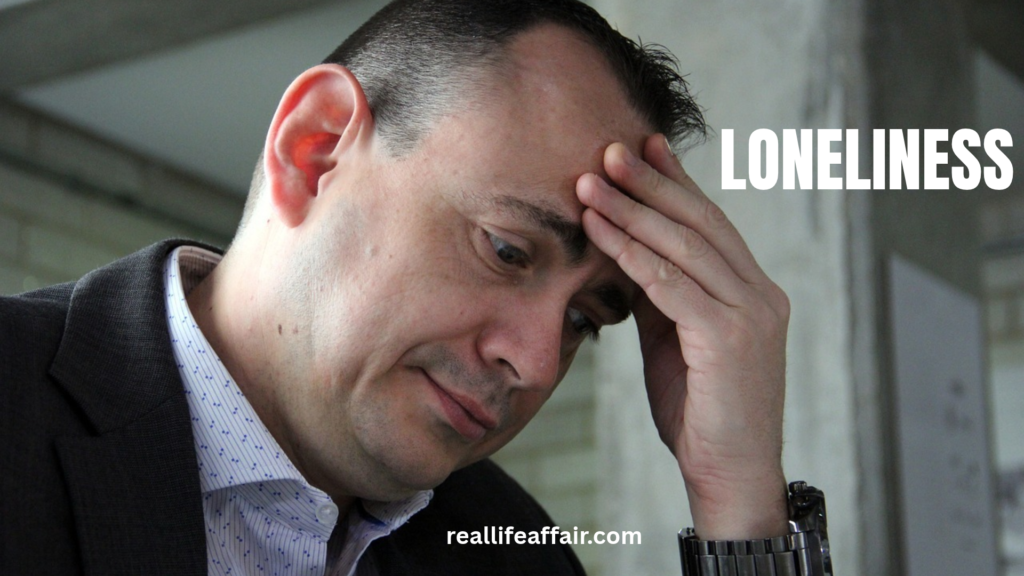

Loneliness is not always about having nobody around you. Sometimes, it is the experience of being surrounded by people, participating in conversations, attending gatherings and maintaining relationships, yet still feeling that nobody quite understands what is happening inside you. You can laugh with people during the day and return home with questions you cannot easily explain. You may have people who care about you, but still feel that an important part of your inner world remains unseen.
This is one way people describe chosen one loneliness. They use the expression to explain the experience of feeling spiritually different, misunderstood or disconnected while trying to understand their identity and purpose. But what does this feeling really mean? Does it mean that a person has been chosen for a special assignment? Does it mean that their journey must be lonely? Or could there be emotional, psychological and social reasons behind the experience?
Let us approach this subject carefully, because loneliness is a real human experience, and it deserves more than dramatic explanations. Feeling lonely does not automatically prove that you are chosen, spiritually advanced or separated from everybody else for a divine reason. People experience loneliness for many reasons, and understanding those reasons can help them respond in healthier ways.
From a Christian perspective, being called to live according to God’s purpose does not mean that you are expected to reject human connection. Faith can give a person direction, but it should not become an excuse to isolate themselves or assume that nobody else can understand them. So, if you have been experiencing spiritual loneliness, let us examine seven possible reasons behind it and what you can learn from the experience.
1. You May Feel Misunderstood Because Your Values Are Changing

One reason chosen ones sometimes experience loneliness is that their values and priorities may be changing while the people around them remain comfortable with familiar ways of living.
Think about what happens when a person begins taking certain aspects of life more seriously. They may become more interested in personal growth, faith, discipline, honesty, meaningful relationships or long-term goals. Conversations that once entertained them may no longer hold the same appeal, and activities they previously enjoyed may no longer reflect what they want for their lives.
This can create distance, particularly when the people around them do not understand the changes.
For example, imagine someone who used to spend most weekends socialising without much thought about the consequences. As time passes, this person begins prioritising work, family, spiritual development and personal goals. Friends may interpret the change as pride or unnecessary seriousness, even though the person is simply trying to live differently.
The resulting loneliness may come from a change in priorities rather than a mysterious separation.
Here is something important to understand: growing in a different direction does not make you better than people who have chosen another path. You can make different decisions without looking down on others. You can also maintain healthy relationships with people who do not share every interest or belief you have.
You may also find it helpful to read our article, “Feeling Alone in Your Family: 7 Reasons You May Feel This Way” It explores why people can struggle to communicate their experiences and how to respond without allowing misunderstanding to define their identity.
2. You May Be Experiencing a Season of Personal Reflection
There are periods when you become more conscious of your thoughts, decisions and direction. You begin asking questions about your identity, relationships, habits and future. Instead of automatically following what everyone else is doing, you want to understand why you are making particular choices.
This kind of reflection can sometimes feel lonely because it requires you to spend time examining things you previously ignored.
Maybe you are questioning the career you chose, the relationships you maintain or the habits that occupy your days. You may be thinking about what you genuinely believe, what you want to contribute and what kind of person you are becoming. These questions can be difficult to discuss with people who are not interested in examining life at that level.
If you want to understand how personal discovery can change the way you see yourself, explore “7 Things That Happen During a Spiritual Awakening” It provides a related perspective on identity, growth and the process of understanding your direction.
3. You May Have Outgrown Certain Relationships

Sometimes loneliness develops because relationships that once felt comfortable no longer meet your present needs.
People change, and relationships also change. You may discover that you no longer share the same interests with certain friends. Perhaps your conversations have become repetitive, or you feel that the relationship depends entirely on an older version of yourself. You may be making an effort to develop healthier habits while some people continue encouraging behaviours you are trying to leave behind.
This can be uncomfortable because you may still care about those people. You may remember the good times and appreciate what they contributed to your life, yet recognise that the relationship needs a different kind of boundary.
But I think you have to be careful here, because outgrowing a relationship does not mean every disagreement is evidence that somebody is holding you back. People can have different opinions and still remain respectful. A healthy relationship does not require two people to think alike about everything.
The important question is whether the relationship allows mutual respect, honesty and room for growth.
For instance, if a friend constantly mocks your goals, dismisses your feelings or pressures you to make choices that harm your wellbeing, creating some distance may be sensible. However, if the only problem is that your friend has different interests, there may be no reason to end the relationship.
Learn to distinguish between relationships that genuinely harm you and relationships that simply differ from your present preferences.
Our article “How to Remove Toxic People From Your Life and Protect Your Peace” can help you think more carefully about boundaries, unhealthy patterns and the difference between protecting yourself and isolating yourself.
4. You May Be Carrying Emotional Pain That Makes Connection Difficult

Let me quickly make it clear that not every experience of loneliness begins with a change in spiritual direction
Think about someone who has been betrayed by a close friend, disappointed by family members or hurt repeatedly in romantic relationships. After experiencing these things, the person may become cautious about trusting others. They may still desire companionship, but the possibility of being hurt again makes them reluctant to become emotionally open.
This can create a painful contradiction: you want people to understand you, but you struggle to let them get close enough to understand what you are experiencing.
You may find yourself saying that nobody cares, while also avoiding conversations that could give trustworthy people an opportunity to support you. You may assume that others will disappoint you before they have even had a chance to demonstrate their intentions.
These reactions can be understandable after painful experiences, but they can also keep you trapped in emotional isolation.
Healing requires recognising what happened without allowing it to become the only explanation for every relationship you encounter. Not everyone will treat you the way previous people did. Trust should be built carefully, but it does not have to disappear completely.
If your loneliness is connected to painful experiences, unresolved grief or persistent emotional distress, consider speaking with a qualified counsellor or mental health professional. You do not have to carry everything alone.
5. You May Be Struggling to Find People Who Share Your Interests and Direction
Another reason for spiritual loneliness or feeling isolated is that you may not currently have a supportive environment where you can discuss the things that matter to you.
Imagine someone who is passionate about faith, entrepreneurship, learning and personal development, but spends most of their time in environments where those subjects are rarely discussed. They may have colleagues, neighbours and acquaintances, yet still struggle to find people with whom they can have meaningful conversations.
You might benefit from joining a study group, professional association, faith community, learning programme or organisation connected to an interest you genuinely value. You may also find meaningful relationships through volunteering, creative activities or projects that bring people together around a shared goal.
However, do not expect every person you meet to understand every part of your life. Different relationships can serve different purposes. One friend may be someone you enjoy laughing with, another may share your professional interests, and another may be someone you trust with personal conversations.
A healthy social life does not require one person to understand everything about you.
If you have been feeling that you do not belong anywhere, our article “Why Do Chosen Ones Often Feel Different From Everyone Else?” explores the importance of belonging, meaningful connections and finding environments where you can participate without pretending to be somebody else.
6. You May Be Misunderstanding What It Means to Have a Divine Calling
Let us bring this discussion into the spiritual dimension.
In Christian teaching, a calling is connected to God’s purpose, service, faithfulness and the way a believer lives. It is not simply a feeling of being different from other people. Nor does it mean that a person must experience rejection, loneliness or constant opposition before their life can have meaning.
Let us look at the case of Elijah in 1 Kings 19. After a difficult period of fear, Elijah said he felt alone. He believed he was the only one remaining who was faithful to God. However, God’s response showed him he did not fully understand the situation.
This is an important lesson. Even when loneliness feels convincing, it does not mean you are actually alone or that nobody else shares your convictions.
Sometimes, emotional exhaustion can make our world appear smaller than it really is. We may focus so much on the people who misunderstand us that we overlook those who genuinely care.
If you believe you have a divine assignment, allow that belief to encourage humility, responsibility, compassion and service. Do not use it to convince yourself that ordinary relationships are beneath you or that nobody can understand you.
Spiritual maturity should help you love people more wisely, not make you incapable of connecting with them.
7. You May Need to Learn the Difference Between Solitude and Loneliness
There is a difference between choosing to spend time alone and feeling painfully disconnected from other people.
Solitude can be healthy. It gives you room to think, pray, study, rest, create and understand your priorities without constant interruption. Some people need more quiet time than others, and there is nothing wrong with recognising that preference.
Loneliness, however, involves an unwanted sense of disconnection. You may desire companionship but feel unable to find it. You may want to talk about your experiences but believe that nobody will listen.
The two experiences can sometimes overlap, but they are not the same.
For example, someone may spend a quiet weekend reading, praying and reflecting, then return to work feeling refreshed. That is different from someone who avoids every social interaction because they believe they are not understood, even though the isolation leaves them increasingly unhappy.
The danger is that people sometimes describe prolonged isolation as spiritual separation when they may actually need connection and support.
Ask yourself an honest question: Does spending time alone help me become healthier and more balanced, or does it leave me increasingly disconnected, anxious and unhappy?
If solitude gives you room to grow while allowing you to maintain healthy relationships, it can be valuable. If isolation is becoming painful, consider taking small steps towards reconnection.
You can start with one honest conversation, a visit to someone you trust or participation in a supportive community. You do not have to become socially active overnight.
How to Respond When You Experience One Loneliness
Understanding why loneliness happens is important, but what you do next matters just as much.
First, stop treating loneliness as proof that something extraordinary is happening. It may be connected to personal growth or changing priorities, but it may also reflect emotional needs, difficult circumstances or relationships that require attention. Give yourself room to examine the evidence instead of immediately accepting the most dramatic explanation.
Second, identify what kind of connection you are missing. Do you need people who share your faith? Do you need someone who understands your professional ambitions? Are you looking for emotional support, friendship or a safe environment where you can speak honestly? Understanding the need makes it easier to take a useful step.
Third, communicate. You cannot expect people to understand experiences you never explain. Choose trustworthy individuals and tell them what you have been feeling. You may be surprised by how much support is available when you allow others to understand what is happening.
Fourth, maintain your responsibilities and interests. Continue learning, working, caring for yourself and participating in activities that give your life meaning. Do not allow loneliness to become the only subject occupying your thoughts.
Finally, seek appropriate help when needed. If loneliness becomes persistent or is accompanied by hopelessness, anxiety, emotional numbness or difficulty functioning, speak with a qualified professional. Seeking help does not contradict faith.
Conclusion: Your Purpose Does Not Require You to Live Without Connection
Chosen one loneliness is an expression people use to describe the experience of feeling misunderstood, spiritually different or emotionally disconnected while trying to understand their identity and purpose. But loneliness is not a requirement for having a meaningful life, and it is not proof that you have been separated from everybody else for a special reason.
If you are experiencing loneliness, do not ignore what you feel, but do not allow it to convince you that connection is impossible. Examine your relationships, understand your emotional needs, strengthen your faith and remain open to healthy companionship.
Remember, the purpose of personal growth is not to make you unreachable. It is to help you become more grounded, more responsible and better able to live meaningfully with other people.
You may not be understood by everyone, but that does not mean nobody can understand you. There are people with whom you can build honest, supportive relationships, and you deserve to experience that kind of connection.
A Book to Explore
If you want to explore the meaning of spiritual identity, purpose and the responsibilities associated with a sense of calling, THE CHOSEN ONE is worth reading. It offers an opportunity to reflect more deeply on your spiritual journey and the kind of life you are building.
Get THE CHOSEN ONE from the Real Life Affair Shop at its current special discounted rate.